
After more than a year not even opening this almost twenty years old blog, several changes in my private and job life imply that I will return to this old pastime. I have decided to spend less time on planes and managerial roles in Higher Education, and more in research, teaching and engagement activities, meaning more time to write (with, of course, some academic and policy related travelling).
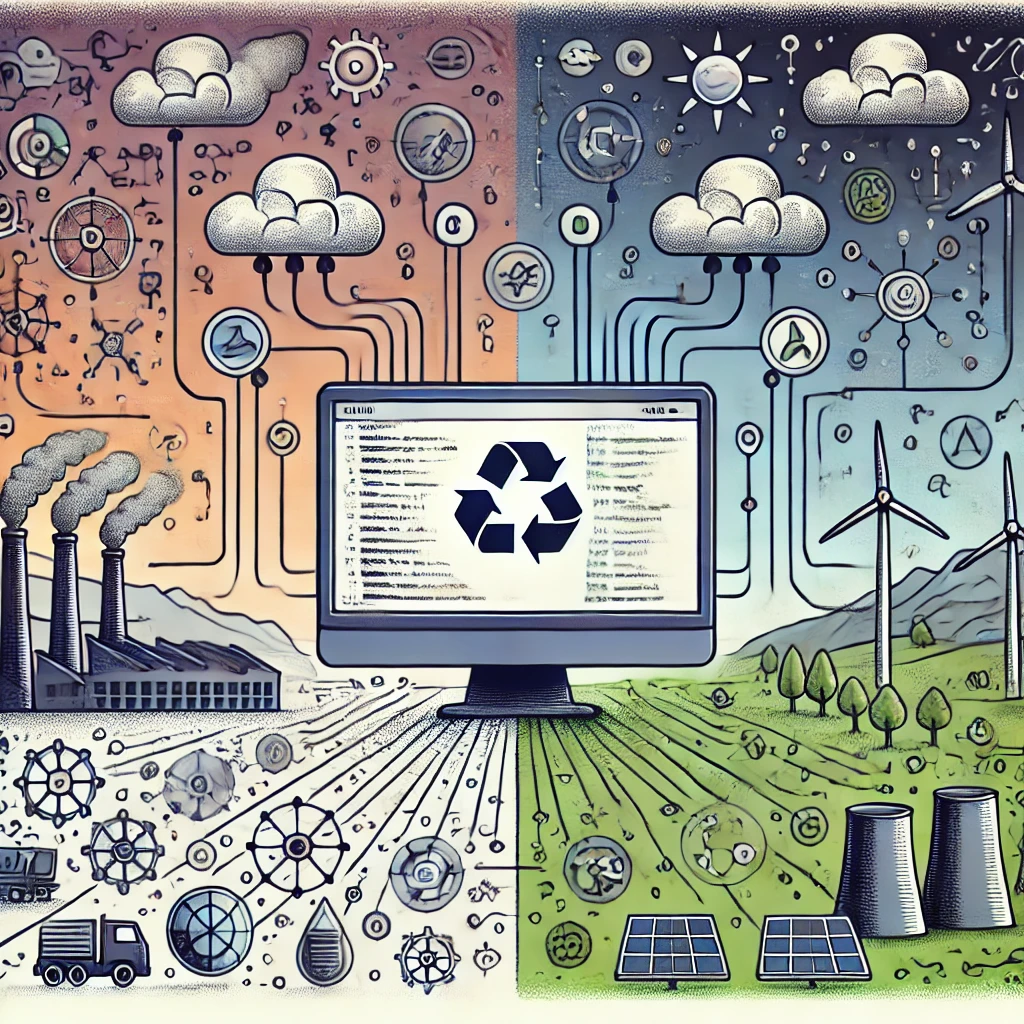
Last year we were somehow in awe for the rapid development of AI, although one could argue that what we saw was just a very fast adoption of a particular type of algorithmic systems, generative AI, while even that type of algorithmic systems have been around people’s lives for quite longer than a year and a half.
However, it is true that the irruption of generative AI and Large Language Models made algorithms a super-hot issue, so much that it seems that the whole IT law field has been swamped by AI discussions, and that there is no much else to talk about. But if the different scenarios and the obvious challenges that algorithmic systems presented to the law, seemed to quickly create a consensus (really?) in the need of regulating them, the usual tendency of lawyers, law academics, judges and policy makers to focus on what it allowed them to modify less the current legal status quo, resulted in important (fundamental) areas of law left outside of the analysis and or regulatory frenzy. One of them is the dilemmatic relationship between algorithmic systems and sustainability, which will have deep effect both in the environment and in the businesses operating in the AI field.
The argument has been that sustainability and climate change implications of AI are common to any technological and economic activity and that, at best, there should be a generic sustainability legal framework that applies to all of them, not specifically to AI. The counterarguments to that are various and can be made from different angles. From the sectorial point of view, the same could be said for the oil, the cement and the transport industries, but there is a growing body of discussions and case-law that says that their situation is not a generic one, even when generic rules are been applied to them. If we focus on the substantial issues and emissions, the old view that a different in degree big enough implies a change in class, seems to apply squarely here: something that emits substantially more than other activities and or vast amount of greenhouse gasses emissions are intrinsic to its functioning, does not share common characteristics with any technological and economic activity. Algorithmic systems are in this category, and regulating them with a focus on sustainability and climate change is essential.
In the coming days I will start to dissect the why and how that is true, coupled with the potential application of current rules, which are being used to deal with other heavy-emitter industries.
 ElectroMate